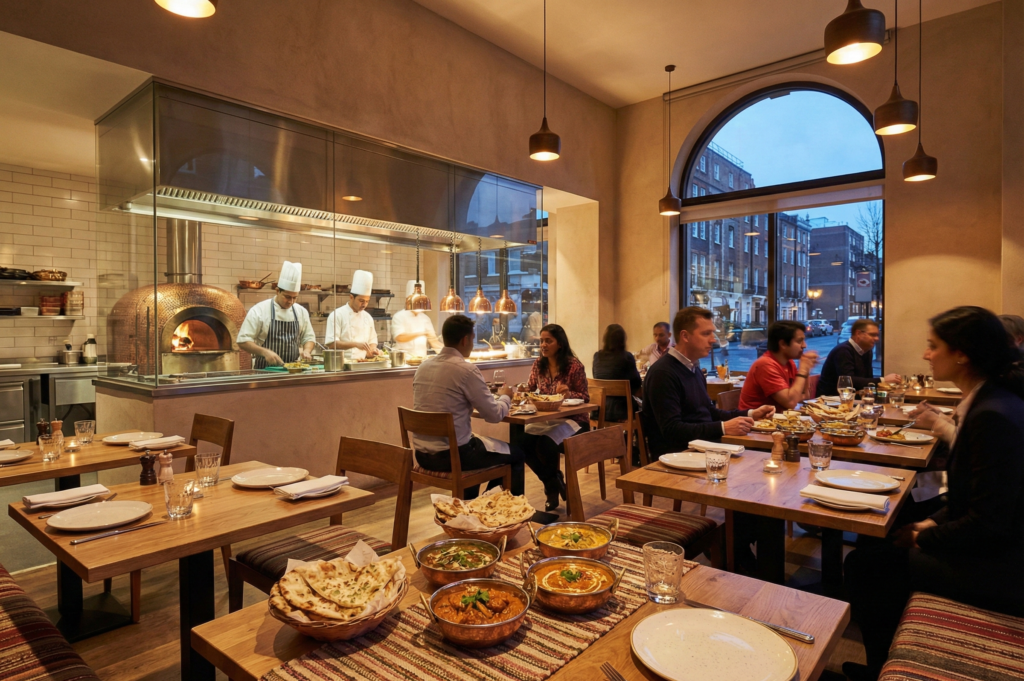
There’s something deeply satisfying about gathering around a table full of warm spice‑rich curries, fluffy naan, fragrant rice and shared plates that bring people together. Whether you’re craving a hearty meal after a long day, planning a festive feast with friends, or simply wanting to explore new flavors, a good Indian or Nepalese restaurant can make all the difference. If you’re searching for reliable dining spots in your area, a platform like Biz 411 Hub can help you find hidden gems with ease.
In this article I’ll guide you through why this type of restaurant matters, what makes for a top‑notch dining experience, how to pick a spot that suits your taste and budget, and how a directory platform simplifies the hunt. By the end, you’ll feel more confident walking into a restaurant — or ordering takeout — and knowing you made a good choice.
Why Indian and Nepalese Cuisine Brings More Than Just a Meal
Delicious food does more than fill your stomach — it brings culture, comfort and connection. Indian and Nepalese food does this beautifully through bold flavors and shared traditions. A well‑prepared curry or a bowl of dal with steamed rice offers warmth, nostalgia, and a sense of home. For many, it means rediscovering fond memories, celebrating culture, or simply enjoying a treat after a busy week.
These cuisines feature a wide range of tastes — from mild, creamy dishes to fiery curries — making them accessible to almost anyone. Vegetarian or meat‑loving, mild or spicy, plain or adventurous — there’s something for every appetite. And when dining with family or friends, sharing several dishes turns a meal into a communal experience.
Indian and Nepalese restaurants often serve as places of connection. Someone finishing a long workday might drop by for comfort food; friends may meet for a weekend lunch filled with laughter; families might gather for a festive dinner. Meals become moments, and restaurants become part of life’s rhythm.
In many busy households, cooking elaborate traditional dishes every night can be tough. A trustworthy restaurant offers convenience without sacrificing authenticity. You get home‑style food without the effort — and enough energy to enjoy time with loved ones.
What Makes a Dining Spot Truly Worth Visiting
Not all restaurants are equal. Some feel like stepping into a different world — warm, welcoming, with flavorful aromas that make you feel at home. Here’s what sets a great Indian or Nepalese restaurant apart:
True Flavors and Respect for Tradition
A standout restaurant serves dishes prepared with care and genuine respect for traditional recipes. From simmering spice-rich curries and biryanis to hand‑rolled naan or freshly steamed rice, each dish feels crafted with intention. You should be able to taste balanced flavors — not just heavy spice, but depth, aroma and nuance.
When restaurants stay true to their roots, they often source spices and ingredients carefully, respect cooking traditions, and avoid shortcuts. That dedication comes through in every bite.
Consistency and Food Safety
Cleanliness matters as much as flavor. Good restaurants maintain tidy dining areas, hygienic kitchens and safe food handling practices. Clean tables, fresh water, proper storage and careful preparation all protect your health — and show respect for customers.
Consistency is another key. The meal you enjoy on your first visit should feel just as good the next time. That steadiness builds trust.
Comfort, Atmosphere and Hospitality
Ambience doesn’t have to be fancy; it needs to be welcoming. Comfortable seating, pleasant lighting, friendly staff and a warm vibe turn a meal into an experience. Service matters. Warm greetings, attentive help, and fair, honest pricing make you feel valued — not just like a customer, but like a guest.
Flexibility for Everyday Life
Life is busy, and eating out needs to fit into it. A great restaurant offers takeout or delivery, accommodates quick lunches and offers generous portions for sharing. Whether you’re grabbing food for one or feeding a family, flexible dining makes life simpler.
How Dining Trends Are Shifting Around Indian and Nepalese Food
In recent years, dining habits and restaurant trends have evolved — and they influence how we experience Indian and Nepalese cuisine today.
Growing Appetite for Spicy and Flavorful Global Cuisines
As people travel more and cultures mix, diners are increasingly curious about world cuisines. Indian and Nepalese food is trending for offering flavors many find exciting — warm spices, fragrant herbs, and dishes not commonly found in everyday cooking. This curiosity has led to more restaurants offering authentic or adapted versions of these cuisines in cities across the world.
Interest in Vegetarian and Plant‑Based Options
Many Indian and Nepalese dishes naturally cater to vegetarian or plant‑based diets — lentil dals, vegetable curries, rice and flatbreads, spiced veggies. As people become more health‑ and planet‑conscious, demand for meat‑free but flavorful meals is rising. Restaurants that highlight vegetarian menus or offer creative, vegetable-driven dishes tend to attract a wider crowd.
Eating balanced meals with vegetables, grains and protein aligns with nutrition guidance worldwide. For example, dietary recommendations from recognized health organizations encourage balanced plates with vegetables, grains and moderate protein, underscoring the benefit of varied meals.
Takeout, Delivery and “Cloud Kitchen” Models
Busy lives call for convenience. Many restaurants now offer reliable takeout or delivery — sometimes from standalone kitchens — to reach people who can’t dine in. This model helps restaurants stay flexible and lets customers enjoy quality food at home.
With improvements in packaging and food‑handling, it’s easier than ever to get delicious, safe meals delivered to your door — whether you’re working late or just don’t feel like cooking.
Fusion, Creativity and Modern Twists
Chefs are experimenting — blending Indian and Nepalese spices with modern culinary ideas. You might find lighter curries, grilled kebabs with a twist, fusion dishes mixing local and Himalayan flavors, or modern presentation that still respects tradition. This creativity keeps the cuisine fresh and appealing to new generations, especially younger diners seeking novelty.
How to Choose the Right Restaurant for You
When you’re looking for a place that delivers on taste and value, a little thought goes a long way. Here are some simple but effective steps I follow before deciding where to eat:
- Check the menu — Does it include classic dishes like biryani, dal, curry, naan, rice dishes or Himalayan specialties? A varied menu with traditional dishes signals respect for the roots of the cuisine.
- Look for clarity on preparation — Are sauces, spice levels and portion sizes clearly described? Transparency helps avoid surprises, especially if you’re new to the cuisine.
- Observe cleanliness — Even before tasting food, check how clean the tables, utensils, and shared spaces are. Clean kitchen and serving areas go hand in hand with good hygiene and quality food.
- Ask about delivery or takeout packaging — If you’re ordering to eat at home, ensure meals travel well. Good restaurants pack carefully so food arrives warm and intact.
- Consider hospitality and service — Friendly staff, quick responses, fair prices, and honest portions add value beyond just what’s on the plate.
If you follow these steps, you’re more likely to enjoy a meal that leaves you satisfied — not just for hunger, but for experience, comfort and quality.
Why Using a Directory Platform Makes the Search Easier
Walking into a restaurant blind can be a gamble. Sometimes you get lucky, other times you end up disappointed. That’s where a directory like biz411hub becomes useful.
Here’s how it makes a real difference:
It brings many restaurants into one place, giving you options in different neighborhoods without driving around.
You can compare menus, cuisines, reviews or offerings at a glance — helping you match your mood or need: vegetarian dinner, spicy curry craving, family celebration, quick lunch or cozy takeout.
It helps discover hidden gems — smaller restaurants or lesser-known spots that still deliver home‑style meals but don’t have flashy advertising.
It gives a sense of transparency — you see what others liked or disliked, helping you make a better decision.
In a busy city or suburb, having a platform that gathers reliable dining spots reduces guesswork. It turns dining into a simple, enjoyable plan instead of a hopeful venture.
Smart Tips for Dining Out or Ordering In
Here are a few simple ideas I follow when eating out or ordering takeout to get the most out of any Indian or Nepalese meal:
- Start with something familiar if you’re new — choose a mild curry or dal before trying bold spice blends. This helps your taste buds adjust.
- Share dishes — ordering two or three dishes to share gives variety and lets you sample more. It’s especially good if going with friends or family.
- Ask about spice level — many dishes can be adjusted to your liking. If you’re not sure, ask for medium spice or a recommendation.
- Order early — peak hours can get busy. Early arrive or early ordering may give better service and fresher food.
These small steps help make dining smoother and more enjoyable.
Why Now Is a Great Time to Explore Global Flavors
People are becoming more open to exploring global cuisines. With rising travel, cultural exchange and global media, many of us are curious about foods we didn’t grow up eating. Indian and Nepalese foods especially appeal because they offer variety — vegetarian or meat‑based, mild or spicy, simple or rich.
At the same time, busy lives and rising workloads make home cooking harder. That means restaurants that serve flavorful, home‑style meals with convenience are more valuable than ever.
Also, growing interest in healthier lifestyles has increased demand for balanced meals with vegetables, grains and moderate spices — something many dishes from these cuisines naturally provide. That aligns with nutritional guidance encouraging a balanced plate with veggies, grains and protein.
This mix of curiosity, convenience and care for health means now is a good time to explore Indian and Nepalese dining — whether you dine out, order in or share meals with loved ones.
What Dining Right Feels Like
At its best, dining at a good restaurant feels like a small celebration. You walk in with a hunger for food and come out with warmth, satisfaction and fond memories. Plates are shared, laughter is shared, and for a few hours, the world narrows down to a good meal and good company.
A great restaurant doesn’t just feed hunger — it nourishes connection, comfort and contentment. And it does so without demanding your time, energy or planning. That simplicity is a gift.
Why Directories and Quality Dining Go Hand in Hand
With the growing number of restaurants — from home kitchens to full‑scale eateries — it’s hard to know which ones deserve your time. Directories bridge that gap: they connect diners who crave real food with restaurants that care about tradition, quality and service.
By using platforms like biz411hub, you get access to honest reviews, reliable contact info, and a broad view of what’s available nearby. It helps you spend less time guessing and more time enjoying.
So whether you’re in the mood for a comforting curry, a vegetarian feast, or a shared meal with friends — a little research goes a long way.
In my view, the perfect meal isn’t necessarily the most expensive or most extravagant. It’s the one that tastes good, makes you feel welcome, fits your mood, and leaves you satisfied — inside and out.
If you’re ready to enjoy quality Indian and Nepalese cuisine with good flavors, warm hospitality and thoughtful cooking — give Curry Delight Indian and Nepalese Cuisine a try. I think you’ll find exactly what you’re looking for.