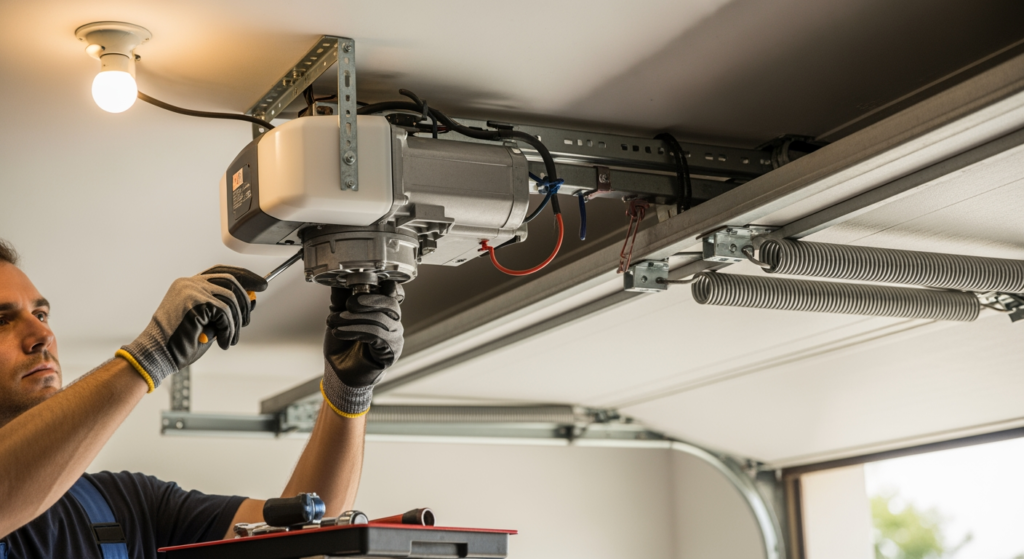
I get that sinking feeling when a garage door won’t respond. Whether it stalls halfway, makes a grinding noise, or the remote stops working, a timely Garage Door Opener Repair can save you time and keep your home safe. For basic safety guidance about home hazards and injury prevention while working on household equipment, I also recommend checking the Centers for Disease Control and Prevention homepage for current safety tips and guidelines: CDC.
Why garage door opener problems happen
Most opener problems come down to wear and tear, electrical issues, or simple misalignment. Garage door openers are made up of moving parts—belts, chains, gears, safety sensors, remotes, and control boards—that all need to work together. Over time, weather, heavy use, or a minor collision can knock something out of sync. I’ve seen situations where a quiet click was the only hint of a failing motor and other times where a storm surge damaged electronics. Knowing the common causes helps you decide whether to try a quick fix or call for service.
Common garage door opener problems and what they mean
When you spot a problem, the symptom often points to the underlying cause. Here are typical issues and what they usually indicate:
- Door won’t move at all: Could be a power issue, blown fuse, dead remote battery, or an unplugged opener.
- Door reverses or stops halfway: Often a sensor misalignment or obstructions on the track. Safety sensors are designed to prevent crushing injuries and will stop the door if they sense something in the way.
- Loud grinding or squealing: Worn gears or lack of lubrication in the opener or rollers.
- Remote works inconsistently: Interference, weak batteries, or a faulty receiver can be at fault.
- Door closes too fast or slams: Broken springs or incorrect tension can cause unsafe operation and should be handled carefully.
Quick troubleshooting checklist you can try now
Before calling a technician, try these safe, step-by-step checks. They fix many common problems and can prevent unnecessary service calls.
- Check power: Make sure the opener is plugged in and the breaker hasn’t tripped. If the opener has a reset button, follow the manufacturer’s instructions for resetting.
- Test the remote and wall switch: Replace remote batteries and see if the wall switch works. If the wall switch responds but the remote doesn’t, it’s likely a remote issue.
- Inspect the safety sensors: Wipe lenses clean and ensure the sensors face each other. Small misalignments or dirt commonly interrupt the beam and stop the door from closing.
- Look at the tracks and rollers: Remove small debris and check for obvious bends. Don’t try to bend tracks back yourself—call a pro for major track repairs.
When a DIY fix is fine and when you need a pro
There’s a smart line between what you can safely fix and what requires experience and tools. Replacing batteries, cleaning sensor lenses, lubricating rollers, and resetting the opener are fine DIY tasks. But repairing or replacing springs, adjusting cables, and handling the motor or circuit board are jobs to leave to professionals. Garage door springs are under extreme tension and can cause serious injury if mishandled. If you’re unsure, I always recommend stopping and calling a trained technician to avoid risk.
How professionals diagnose problems
A trained technician follows a systematic approach: they test remote and wall controls, observe the door’s travel and limit settings, inspect springs, cables, rollers, and tracks, and check the opener’s motor, circuit board, and safety features. They’ll also check for signs of previous repairs that may affect current operation. Good techs explain findings in plain language, show you the worn parts, and offer clear options—repair, replace, or upgrade—along with transparent pricing.
What you should expect to pay
Costs vary widely by region and the type of repair. Minor fixes like remote replacement or sensor realignment can be modest, while motor replacement or spring replacement is more expensive. Expect to pay more if you choose a higher-end smart opener with Wi-Fi and battery backup. A reputable local pro will give a clear estimate for parts and labor before starting work, and they should explain warranties on parts and service to protect you from repeat failures.
Trending upgrades worth considering
In the last few years, I’ve seen two major trends change how homeowners think about garage doors: smart technology integration and battery backup systems. Smart garage door openers pair with your phone and voice assistants, letting you monitor and open the door remotely, check status, and receive activity alerts. Battery backup systems keep the door functioning during power outages—a real lifesaver during storms or when unexpected outages occur. Other trends include quieter belt-drive openers for garages next to living spaces and advanced safety features like auto-close scheduling.
Maintenance tips to extend opener life
Regular maintenance keeps your opener running smoothly and prevents costly surprises. I recommend a basic routine at least twice a year and more frequently in harsh climates or for heavy-use doors.
- Keep moving parts clean and lightly lubricated with a product made for garage doors; don’t use heavy grease on tracks.
- Tighten loose bolts and fasteners; vibration can loosen them over time and cause misalignment.
- Test the auto-reverse safety feature monthly by placing a small object in the door’s path to ensure it reverses reliably.
- Schedule a professional inspection every year to check springs, cables, and alignment.
Safety points I won’t skip
Safety matters more than saving a few dollars. Never try to adjust torsion springs or replace cables without the right tools and training, because those parts store dangerous amounts of energy. Keep children and pets away from the door when you’re testing or repairing it. Make sure remotes and keypad codes are updated when you move into a new home or after service work that could affect codes. Finally, if your opener is over a decade old, consider replacing it—new units include improved safety standards, quieter operation, and better efficiency.
How to choose the right local repair service
When picking a garage door company, look for these markers of a quality repair service. First, they should offer clear estimates and explain the work and parts. Technicians should be able to show licenses or certifications if applicable in your area and provide references or reviews. Ask about warranties on parts and labor so you aren’t left paying again if the same problem recurs. Also check whether they stock common parts so a single visit can complete the job, and whether they offer emergency or same-day services for urgent situations. Finally, a local company that understands the neighborhood’s weather and typical wear patterns will often give better, longer-lasting repairs.
What to do after the repair
After any repair, test the door multiple times and ask the technician to demonstrate the safety features and how to operate the manual release. Keep the receipt and warranty paperwork in a safe place, and mark your calendar for the next maintenance check. If your door was noisy before and remains noisy after the repair, let the tech know—sometimes a follow-up adjustment improves long-term performance. If the company provided a service plan, evaluate whether it fits your needs; regular maintenance plans can reduce emergency calls and extend the life of your opener.
Common myths about garage door repairs
There are a few myths that cause people unnecessary worry or expense. Myth: “All opener problems mean the motor is dead.” Often the motor is fine; the issue can be a sensor, remote, or mechanical binding. Myth: “You should replace the whole door when the opener fails.” Not always; sometimes only the opener or a few components need replacement. Myth: “Any handyman can safely handle springs and cables.” This is one of the most dangerous misconceptions—springs and cables require specialists. If someone offers to do a major spring repair cheaply, ask about their training and insurance first.
How I stay ahead of seasonal problems
I recommend planning maintenance around seasonal changes. In cold months, components can stiffen and batteries lose charge faster, so test the opener and replace batteries before temperatures drop. In spring and summer, heavier use and dust can wear rollers and tracks faster, so an extra inspection helps. If your area sees frequent storms, consider an upgrade with a battery backup and surge protection to protect electronics during power fluctuations.
Final thoughts and next steps
If your garage door opener is acting up, a calm, stepwise approach usually gets you back to normal quickly: try the basic troubleshooting steps, avoid risky DIY repairs on springs or cables, and call a trained technician when something feels beyond your comfort level. Upgrading to a quieter, smarter opener with a battery backup is a smart investment for convenience and peace of mind. For fast, professional help in this area, contact AA Garage Door to schedule an inspection, get a clear estimate, and learn about warranty options for your repair or upgrade.